How To Check a Head Gasket
If you suspect a blown head gasket, a combustion leak tester is one of the fastest ways to check whether exhaust gases are getting into the cooling system. It is a practical test for overheating, unexplained coolant loss, white smoke, or a car you are checking before purchase.
This guide focuses on the real-world process: what to prepare, how to set the tester up, how long to run the test, and what to do when the result is clear, weak, or confusing. If you searched for how to check a head gasket, head gasket sniff test, or block tester guide, this is the process you want.
Before you start
- Work on a cold engine until you are ready to run the test.
- Wear gloves and eye protection.
- Make sure the coolant level is not right at the top of the filler neck.
- Read the quick-start guide first if this is your first time using a block tester.
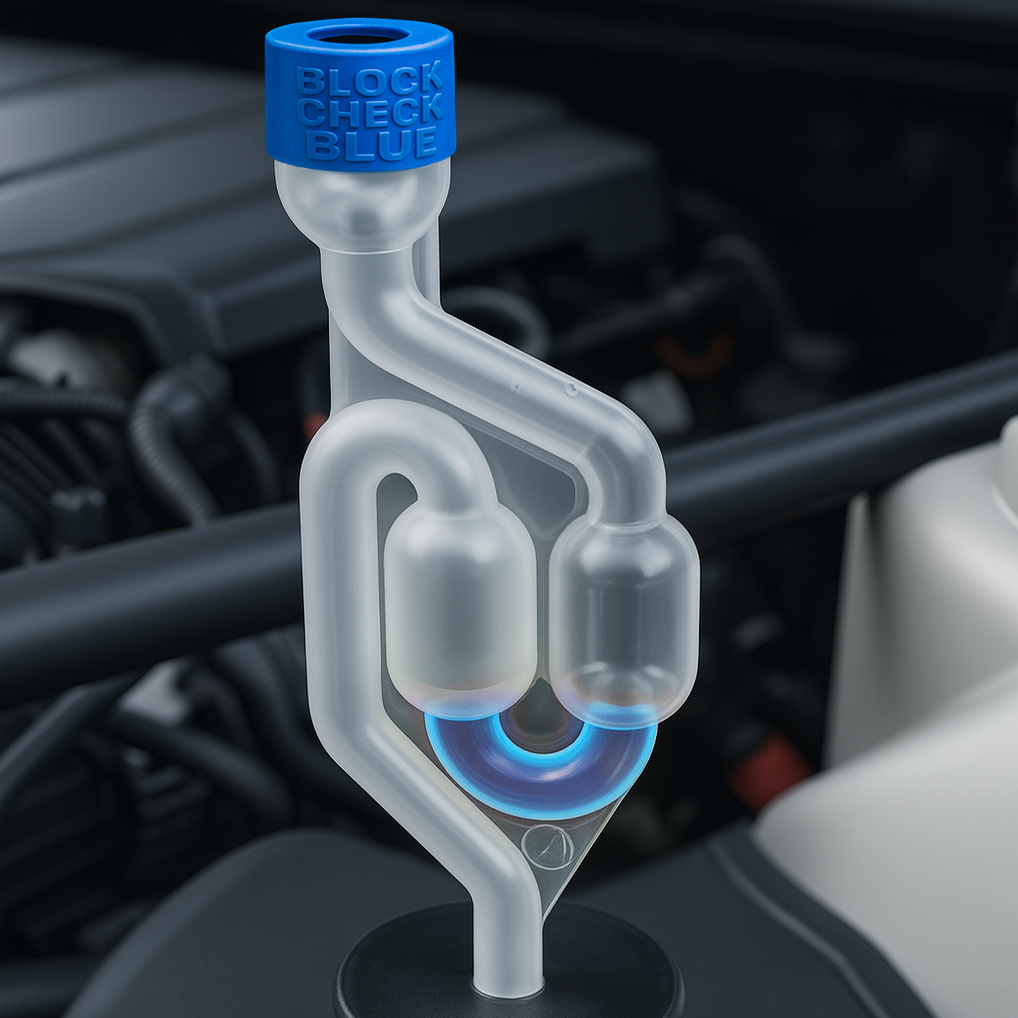
What you need
- A combustion leak tester, head gasket tester kit, or block tester
- Fresh test fluid
- A secure bung or adapter fit at the expansion tank or filler neck
- Enough time to bring the engine up to temperature safely
Step-by-step test process
- Open the cooling system only when safe: remove the cap slowly once the engine is cool.
- Fill the tester correctly: use only the marked fluid level so the chambers are easy to read.
- Seat the bung firmly: a poor seal makes any block tester much less reliable.
- Start the engine and let it warm: you need enough temperature and system movement to carry combustion gases into the tester.
- Watch the fluid: if exhaust gases are present, the fluid moves away from blue toward green or yellow.
- Retest if needed: if the result is weak or you suspect contamination, let the setup settle and repeat with fresh fluid.
How long should the test take?
In many cases you will get a usable answer in about two minutes once the engine is warm enough to move gases through the cooling system. A strong positive can appear quickly. A clean negative should stay blue throughout the check.
What a positive or negative result means
A clear blue result means the test did not detect combustion gases in the cooling system at that time. A strong yellow result means exhaust gases are present and further investigation into head gasket failure, a cracked head, or a related combustion leak is justified.
If you want the detail behind blue, green, yellow, weak positives, and false readings, use the combustion leak test results guide.
Common testing mistakes
- Testing with the engine too cold
- Letting coolant splash into the chambers
- Using old or contaminated fluid
- Assuming one quick negative rules everything out
- Ignoring fitment issues that stop gases reaching the tester
FAQ
Is this the same as a head gasket sniff test?
Yes. Many buyers use head gasket sniff test as another name for a combustion leak tester or block tester that checks for gases in the cooling system.
Is this the same process if I searched for "test blown head gaskit"?
Yes. That common misspelling points to the same combustion leak test used to confirm a blown head gasket.
Should I use a block tester before compression or leak-down testing?
In many cases, yes. It is a fast first pass when your main question is whether combustion gases are entering the cooling system.
Use the right kit and manual
Start with the combustion leak tester hub, then go to the current LeakLogic kit and the manuals page before you test.